aromatherapy
Aromatherapy and essential oils for calm - what the evidence really says
A warm, no-hype UK guide to aromatherapy and essential oils for calm - what the evidence really shows about lavender and anxiety, plus safe diffuser use.
There’s something instantly soothing about a room filled with the scent of lavender. You light a diffuser, the soft mist rises, and the stress of the day starts to feel a little further away. It’s a lovely, pleasant ritual - and there’s nothing wrong with that.
But if you’re hoping a few drops of oil will genuinely ease anxiety or help you sleep, it’s worth being honest about what the evidence does - and doesn’t - show. This guide takes a plain-English, no-hype look at aromatherapy so you can enjoy it for what it is without expecting more of it than it can deliver.
What aromatherapy actually is
Aromatherapy is the use of essential oils extracted from plants - flowers, herbs and trees. The oils are most often used either by inhaling them (for example through a diffuser) or by applying a diluted form to the skin.
There are many oils used in aromatherapy - Roman chamomile, geranium, lavender, tea tree, lemon, ginger, cedarwood and bergamot - and part of the appeal is simply finding the aromas that feel comforting to you.
What the evidence really says
Here’s the honest part: the research on aromatherapy and essential oils is limited and mixed. The US National Center for Complementary and Integrative Health (NCCIH), a respected research body, is careful not to overstate what we know.
Lavender is one of the better-researched oils in aromatherapy, and the one you’ll most commonly see promoted for calm. But even for lavender, the picture is far from settled. NCCIH notes that studies have been done on lavender for a wide range of conditions, but “more high-quality research is needed to reach reliable conclusions about its effectiveness.”
When it comes to actually treating anxiety, the evidence is thin. Some studies have suggested that a lavender oil product taken orally (as a capsule) might help with anxiety - but that research has real limitations, including small sample sizes, a lack of independent funding, and a lack of participant diversity.
For aromatherapy itself - inhaling the scent - NCCIH is explicit: it’s unclear whether aromatherapy with lavender has benefits for anxiety, stress, depression, pain, sleep quality or insomnia. What some people do report from lavender aromatherapy is “a sense of improved quality of life.”
In one study of people under stress, scenting the room with lemon or lavender, lemon had a positive effect on mood but neither oil affected the chemical indicators of stress, immune changes or pain control.
Aromatherapy is likewise sometimes used for insomnia, but NCCIH states plainly that “little rigorous research has been done on this topic” - so we simply don’t know whether it helps.
The honest bottom line
So here’s the takeaway: aromatherapy is a pleasant ritual, not a treatment. Enjoying a calming scent is a genuinely enjoyable way to unwind, and the small, intentional pause you take around it can feel valuable in itself. But it shouldn’t be relied on as a treatment for anxiety, stress or insomnia, and it won’t replace evidence-based help for a mental health condition.
If you’re using it to help you settle, a lovely way to combine ritual with something that has stronger evidence behind it is to pair your diffuser with slow breathing. The NHS recommends simple breathing exercises for stress and anxiety - breathe gently in through your nose and out through your mouth, counting steadily to five each way, for five minutes or so. Doing this while you enjoy a calming scent makes the whole moment feel deliberate and grounding.
If stress or anxiety is persistently affecting your daily life, it’s always worth speaking to your GP, who can point you to proper support.
Safety essentials
Essential oils are potent plant extracts - which is why they’re normally used diluted or inhaled - and that potency is exactly why they need to be handled with care.
First, and most importantly for aromatherapy: aromatherapy essential oils are meant for inhalation or for applying to the skin in a diluted form - not for swallowing. Keep bottles safely away from children, and if anyone does accidentally swallow an essential oil, seek medical help promptly.
Because they’re potent, they can irritate the skin - topical lavender, for example, can cause allergic skin reactions in some people. If you apply any oil to your skin, it’s sensible to dilute it with a carrier oil and try a small patch test on a discreet area first (this is general practical advice, not a finding of the sources above).
Aromatherapy with lavender is generally considered possibly safe when inhaled, but it can cause headache or coughing in some people.
Two groups deserve extra caution. Little is known about whether it’s safe to use lavender during pregnancy or while breastfeeding, so check with your midwife, pharmacist or GP first. And lavender may interact (in theory) with some sedative medicines and herbs, so if you take any medication or have a procedure coming up, talk to a healthcare professional before using it.
A note on pets: the source material this article draws on (the NCCIH and the NHS) doesn’t cover essential oils and animals, so this guide can’t make general safety claims about pets. If you keep cats or dogs and would like to diffuse oils at home, check with your vet first and follow their advice for the specific oil and animal.
Using a diffuser safely
A diffuser is the most common way to enjoy essential oils at home. Here’s a sensible, low-risk way to use one:
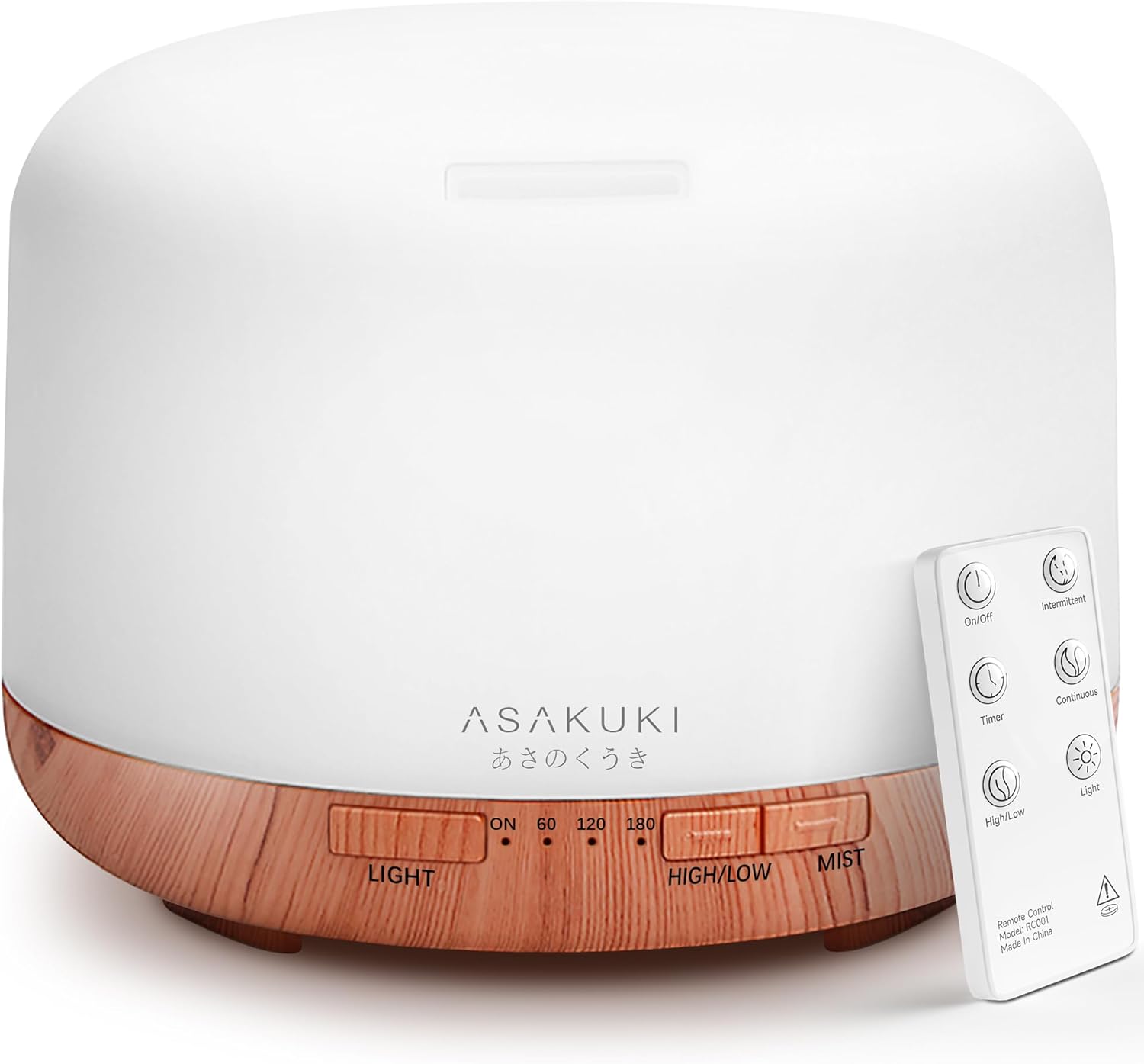
- Start small. A few drops of oil in your diffuser is plenty - more is not better when it comes to scent or calm.
- Ventilate the room. Keep a window slightly open so the air doesn’t become overwhelmingly fragrant, which can cause headaches.
- Keep sessions short. An hour or so at a time is reasonable rather than running the diffuser all day.
- Follow the instructions. Every diffuser is different - follow the manufacturer’s guidance on water levels and oil amounts.
- Clean it regularly. Stale oil residue can build up, so rinse the diffuser between uses.
- Keep it out of reach. Place the diffuser somewhere it can’t be knocked over by children or pets.
The takeaway
Aromatherapy is a warm, pleasant way to carve out a small moment of calm in a busy day - just enjoy it for what it is. The evidence for lavender and other essential oils calming anxiety or fixing sleep is thin and mixed, so treat them as a lovely extra to your routine rather than a treatment.
Pair it with the things that have real evidence behind them - gentle breathing, a regular wind-down, and talking to your GP when stress becomes more than you can manage.